
Staff
Interim Executive Director, Consultant
 Debbie Mason of Strategists, Inc., is passionate about guiding organizations and communities to develop more effective relationships and reach their goals. Her professional expertise includes years of leadership as an Interim CEO to national and international nonprofits and associations, and providing consulting services for strategic planning, community facilitation, and board governance.
Her 30+ years of experience span international corporate, healthcare, automotive, and agency prior to her transition to the nonprofit sector. In the nonprofit sector she spent more than a decade as CEO of several organizations before transitioning to consulting. A generational native Floridian, Debbie’s legacy includes strategy for successful referendums generating billions of dollars benefitting children, parks and recreation, and preservation of historic sites in her home state.
Debbie earned the credentials of Certified Fund Raising Executive from CFRE International; Accreditation in Public Relations from PRSA; Counselor of Public Relations from FPRA; is an Accredited Facilitator with the Five Behaviors of a Cohesive Team and a Certified Facilitator, with DiSC Systems . Debbie earned a Certificate for Diversity, Equity and Inclusion in the Workplace from the University of South Florida and is a life-long learner. Contact: debbie@beaverinstitute.org
Policy & Science Director
 Loren Taylor joined the Beaver Institute in 2023 as the BeaverCorps Program Director and now serves as Science and Policy Director. Loren is a Certified Wildlife Biologist and restoration ecologist dedicated to advancing wetland conservation and translating science into practical, policy-driven solutions. She received her B.S. in Wildlife Management from Eastern Kentucky University and her M.S. from Utah State University, where her research focused on integrating human dimensions and decision-making into wetland restoration design and implementation. Loren has led collaborative efforts across the U.S. to develop science-based strategies that benefit both ecosystems and the people who depend on them. She is particularly passionate about creating practical and mutually beneficial approaches to human-wildlife conflict by integrating human dimensions into ecological solutions. Her work emphasizes the importance of community engagement, diversified management tools, and adaptive policies to promote coexistence and build resilient landscapes. She is excited to lead efforts to strengthen the scientific foundation for beaver coexistence practices, inform policy at multiple levels, and support community-based efforts across North America. Loren brings a strong commitment to applied science, stakeholder engagement, and building bridges between research, land management, and environmental policy.
Contact: loren@beaverinstitute.org
Head of Operations
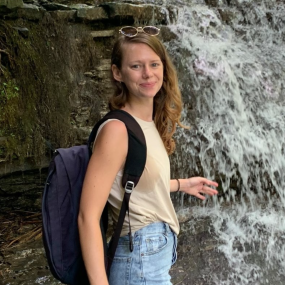 Katy Einerson is Beaver Institute’s Head of Operations. Her previous experience includes serving as a Program Officer at the Whiting Foundation, a private foundation dedicated to supporting literature and the humanities, and as the Director of Programming at Dixon Place, a non-profit performance venue. Katy has a BA in English from the University of Richmond and an MA in Arts Administration from Baruch College. She is also a Brooklyn Botanic Garden certified Master Composter and has served on the board of the 61 Franklin Street Community Garden. Katy lives in Brooklyn, NY. Contact: katy@beaverinstitute.org
BeaverCorps Program Director
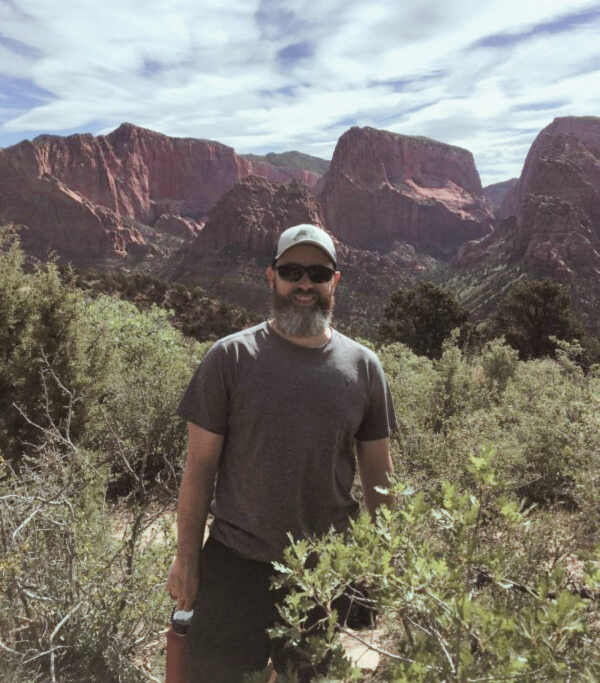 Dr. Aaron Hall is an aquatic biologist who works to protect species in aquatic and riparian habitats, finding scientifically sound and pragmatic solutions for the threats these species face. He holds a BS and MS in Environmental Science from The Rochester Institute of Technology, and a PhD in Ecology and Evolutionary Biology from The University of Toronto. Aaron has a diverse background in field ecology and has worked with many species groups and in many ecosystems, and has lived in Central New York, Alaska, Maine, Colorado, and currently resides in Ontario, Canada. His primary focus for the past decade has been working with beaver by leveraging their ecosystem engineering skills to create and enhance habitat for many at-risk species including freshwater fishes, amphibians and reptiles, shorebirds, aquatic insects and others. He is passionate about protecting the delicate balance of the natural environment in an increasingly human-influenced world. Aaron is an avid outdoors person and enjoys hiking, canoeing, camping, birding, disc golf, woodworking, board games, and gardening. Contact: aaron@beaverinstitute.org
BeaverCorps Program Coordinator
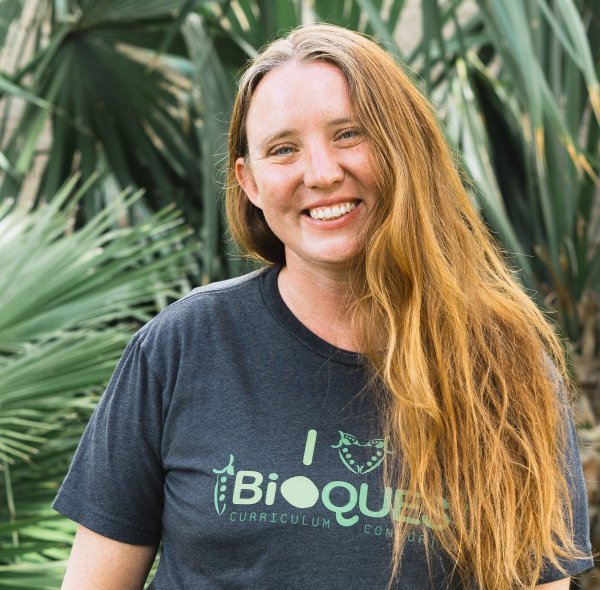 Molly Phillips is the BeaverCorps Program Coordinator. Molly is a vertebrate biologist with a background in animal behavior, ecology, and natural history, with a variety of past work experiences including natural history collections, state agencies, nonprofits, national research networks and the U.S. Air Force. Molly has spent the last 11 years working as a program coordinator for several national research and educational networks including Integrated Digitized Biocollections (iDigBio), the Long Term Ecological Research Network (LTER), and BioQUEST Curriculum Consortium. She received her Masters of Biology from the University of Manitoba researching another fascinating social rodent, the Cape ground squirrel (Xerus inauris) and a B.Sc. in Wildlife Ecology and Conservation from the University of Florida where she focused on human dimensions in wildlife conservation. Outside of work, Molly is usually outside and up to something like hiking, kayaking, birding, or working on her little farm. She also enjoys painting, making music, and spending time with her family (both furred and not). Contact: molly@beaverinstitute.org
Special Projects
Tribal Partnerships Liaison & Beaver Behaviorist
 Dr. Jordan Kennedy is an interdisciplinary researcher and engineer specializing in non-human animal engineering, hydrodynamics, and Indigenous-led conservation initiatives. As the Tribal Partnerships Liaison and Beaver Behaviorist at the Beaver Institute, she advocates for integrating Traditional Ecological Knowledge (TEK) in conservation, policy, and management. She works to ensure that Indigenous sovereignty, ethical research standards, and data governance remain central to conservation efforts. With a Ph.D. and M.S. in Materials Science and Mechanical Engineering from Harvard University, Jordan’s research spans non-human animal-engineered landscapes, river hydrodynamics, and biomimetic design. Her work has included field studies on beaver damming behaviors using GIS and photogrammetry, laboratory experiments on logjam hydrodynamics, engineering meta-analysis of non-human architects, and designing beaver-inspired robotic platforms for landscape construction.
Beyond her work with the Beaver Institute, Jordan is a Postdoctoral Researcher at Harvard’s Graduate School of Design in Landscape Architecture, where she designs distributed robotic platforms for landscape architecture. She also serves as a Research Fellow at Outer Coast College, developing curricula that bridge engineering, physics, and Indigenous epistemologies. Jordan, a dedicated science communicator and consultant, has advised on NSF, NEH, and NERC grant proposals while delivering invited talks on rewilding and restoration within Indigenous frameworks. She previously served as Science Director at INDIGENOUS LED, leading interdisciplinary collaborations across federal, tribal, and academic sectors to align conservation efforts with Indigenous knowledge and governance principles. Through her work, Jordan fosters reciprocal relationships between Indigenous communities, researchers, and policymakers to advance ethical, TEK-informed conservation strategies.
Traditional Ecological Knowledge and Beaver Research Fellow
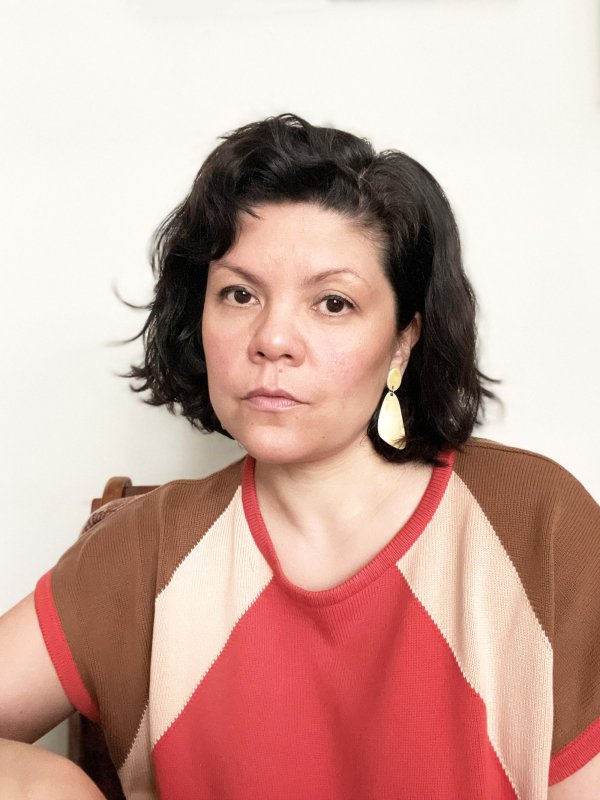 Megan Elevado is the Traditional Ecological Knowledge and Beaver Research Fellow at the Beaver Institute. She is an artist and historian exploring what resonates visually and viscerally through ceramics, illustration, and multi-media installation. Her practice cultivates relations with nature and the spiritual realm. As an historian, she actively seeks non-western and Indigenous knowledge and perspectives to balance and counter dominant western practices and belief systems. Megan’s artistic practice is informed by her experience working and studying at NYC art and cultural institutions including the American Museum of Natural History, Parsons The New School for Design, and the Cooper-Hewitt Smithsonian Design Museum. Most of Megan’s work imagines a less human-centric world, creating creatures, real and imagined, who serve as avatars, facilitators, and guides. She looks to nature as leader and teacher. Megan respects beavers as teachers and partners who can help us remember forgotten skills: how to cultivate and thrive in community, how to sustainably steward our environment, and how to drop our learned, limiting social barriers so we can be a little more wild.
Beaver Help Desk Manager
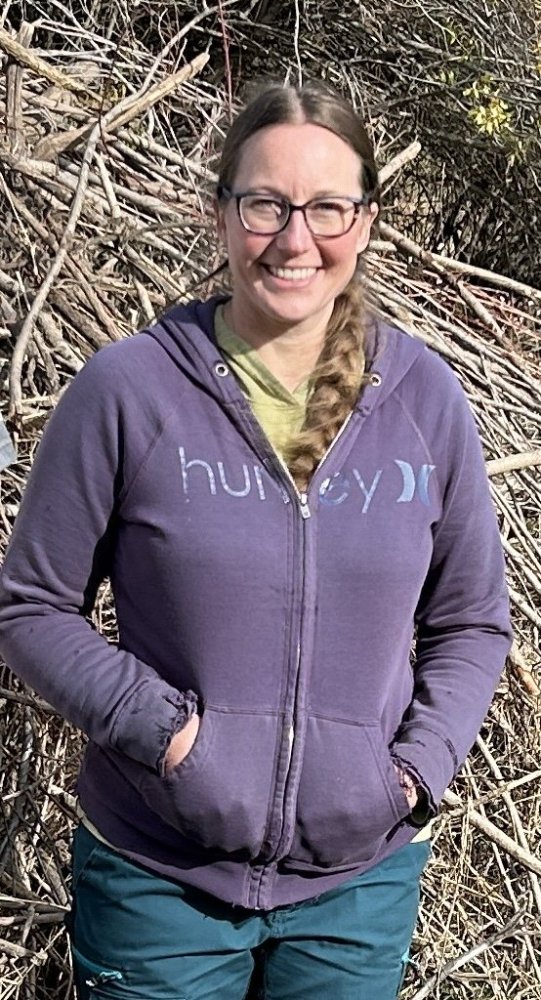
Elissa Chott is the Beaver Conflict Resolution Team Lead for the National Wildlife Federation based in Missoula, Montana. For the past 7 years, she has been working on a partner-driven collaborative Beaver Conflict Resolution Program. Through this program, Elissa works to reduce human-beaver conflicts using non-lethal methods while building a greater tolerance for beavers on the landscape. Elissa holds a M.S. in Environmental Studies from the University of Montana. Before working on beaver conflicts, she worked on mitigating human-bear conflicts and bear education and outreach. Elissa is a BeaverCorps certified beaver coexistence professional through the Beaver Institute.
Artist-in-Residence
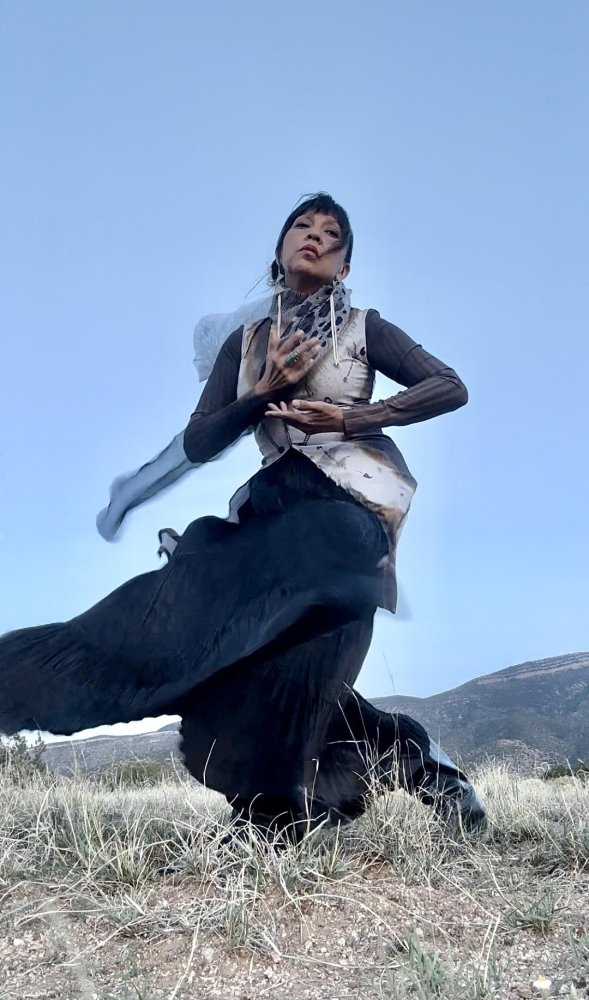 Cami’ Leonard is an Athabaskan Dine’ Interdisciplinary Artist/Performance Artist, who lives in Dine’ Tah – Dzil Na O Dilthe in the heart of the six Sacred Mountains of the Dine’ and Ancestral Puebloan Homelands. She is of the Bitter Water Clan and Born for the Folded Arms Clan. Her Maternal Grandfather’s clan is the Red Cheek Clan; and her Paternal Grandfather’s clan is the Salt Clan. As a full time elder caregiver, she walks and seeks Balance, Harmony and Understanding in her community homeland, and her Dine’ traditional teachings of sacred Mother Earth and Father Sky, while following her passions as a modern contemporary, experimental, performance artist in this ever changing Glittering World.
Finance Associate
 Laura Lee has spent the past 30 years as a management accountant working solely with small non-profits and small businesses in her hometown of Missoula, MT. Her clients reflect a wide interest in environmental and social justice issues, ranging from wilderness conservation to homelessness. Born a data nerd, she never tires of helping organizations grow and thrive through a deep understanding of their financial picture. Laura moved to Missoula from the wetlands of Minnesota, where beavers were everywhere, and often not welcomed. She’s thrilled to be a member of the Beaver Institute team, and learning more everyday about the importance of protecting these mighty builders.
Volunteers
Marketing Consultant
 Amy Hunter is a publicity and marketing veteran whose clients range from Fortune 500 companies to fledgling start-ups, and from tech to travel. She is passionate about bringing compelling stories to light and has garnered national and local publicity in all forms of media. Based in Portland, Oregon, Amy joined the Beaver Institute team in 2021, and she’s excited to help spread the word about beavers, their vital importance to the planet, and how we can support them.
IT Consultant
 Michael Kesten met Mike Callahan in the 90’s back when Mike was running the Pioneer Valley Wetlands Volunteers. Michael ran a business for 25 years, engineering and building video production facilities. He was a Beaver Institute board member when it launched. In his retirement he volunteers with various non-profits working to benefit the environment, animals, and democracy. Michael sees beavers as integral to rebuilding ecosystems that man has altered.
Board of Directors
 Mike Callahan (Beaver Institute Founder / Board President) received a B.A. from St. Michael’s College and worked for 20 years as a Physician Assistant providing medical care to under-served populations. He began saving beavers in 1998 after founding the Pioneer Valley Wetland Volunteers with his wife Ruth. In 2000 he started Beaver Solutions LLC and has personally resolved over 1,900 beaver-human conflicts. He teaches beaver workshops, started an online Beaver Management Forum on Facebook, and created an instructional DVD to teach others to do this work. In 2017 he founded the Beaver Institute, Inc. to promote coexistence with beavers for watershed restoration, biodiversity and climate resilience. His duties as President of the Beaver Institute include training BeaverCorps professionals across North America. In his spare time he loves being outdoors, reading, spiritual pursuits, and time spent with friends and family.
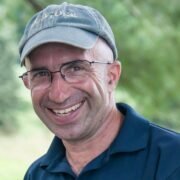 Scott McGill is a co-founder of BeaverCon and a recognized thought leader in the field of ecological restoration, bringing over 35 years of applied experience in the design and construction of nature-based solutions across the United States. As the founder and former leader of Ecotone, an innovative Mid-Atlantic ecological restoration company, Scott successfully scaled the organization from a two-person consulting firm into a fully integrated design-build ecological restoration company. Under his leadership, Ecotone became a leader in the industry by integrating nature based philosophies into its design approach, in many cases using the North American beaver as a primary driver for positive water quality and ecological outcomes. Scott’s “less is more” philosophy—using nature to restore nature—incorporates conservation biology and adaptive management to provide a sustainable, cost-effective model for environmental recovery. His work has been instrumental in bringing beaver-led restoration into the mainstream throughout the Mid-Atlantic and Chesapeake Bay regions. Beyond his professional work, Scott is a dedicated advocate for the outdoors. He is an avid photographer and international traveler who enjoys dog and dog owner training, fly fishing, and cycling. Scott resides in Maryland and is the proud father of three grown children and the grandfather of three.
 John Whipple (Treasurer) found his way to The Beaver Institute through a love of ecology and a background in corporate finance. With a degree in Theology, John joined the Jesuit Volunteer Corps assisting adults with developmental disabilities at a farm and nursery through L’Arche Tahoma Hope. John then pursued a career in professional horticulture, resulting in a desire to serve the earth by promoting ecological restoration. Continuing to evolve, John changed careers to surety bonds, becoming an expert in financial analysis and business development.
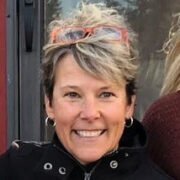 Reese Mercer serves as the ‘Head Wrangler’ of the Western Beavers Cooperative, and founder of the Beaver Works Oregon program. Reese brings 20 years of nonprofit startup and board experience to Beaver Institute, complemented by 25 years of professional experience as a business and technology consultant.
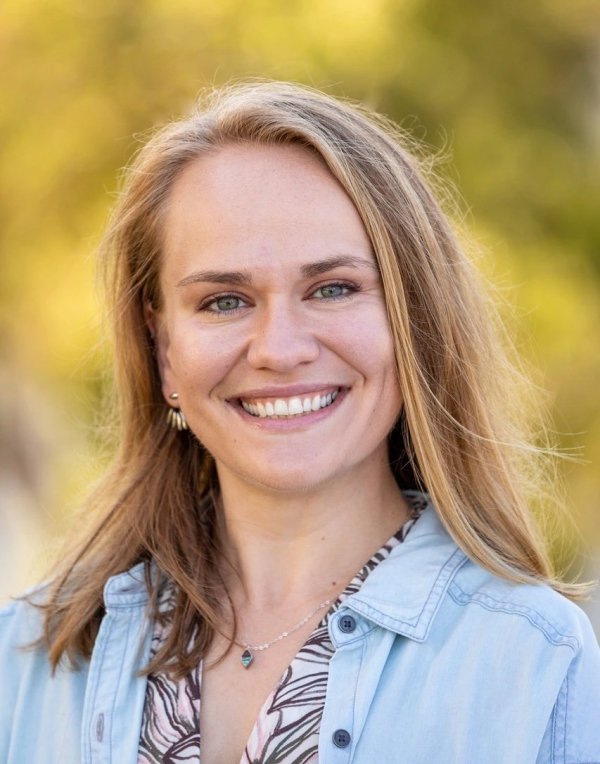 Dr. Emily Fairfax is Assistant Professor of Physical Geography in the Department of Geography, Environment, and Society at the University of Minnesota Twin Cities. She is also affiliated with the Saint Anthony Falls Laboratory at the University of Minnesota. Her current research focuses on the ecohydrology of riparian areas, particularly those that have been impacted by beaver damming. She uses a combination of remote sensing, modeling, and fieldwork to understand how beaver damming changes these landscapes and on what timescales those changes operate. She also has an interest in science education research, particularly curriculum development. When she is not doing research or teaching, she enjoys hiking, running, yoga, camping, and playing board games and video games. Visit her website at https://
 Rachel Schick Siegel founded the Illinois Beaver Alliance in 2021 after working to resolve a beaver conflict nonlethally in her suburban Chicago neighborhood, becoming a beaver believer in the process. In 2022 she completed a certificate program in Environmental Law and Public Policy at Loyola University Chicago. She holds a Bachelor of Arts in English and History from the University of Michigan and a Master of Arts in English Literature from Northwestern University. Rachel serves on the Rivers of Illinois Coordinating Council, to which she was appointed by Illinois Governor J.B. Pritzker. She has written numerous successful grant applications for several nonprofit organizations that provide human and social services. She lives in Illinois with her husband and dog and has two college-aged kids.
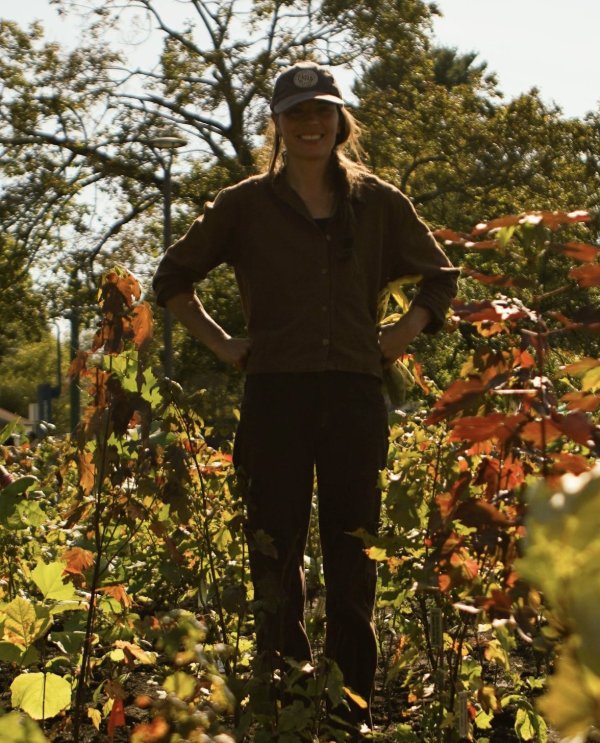 Alexandra Ionescu is the Associate Director of Regenerative Projects at Biodiversity for a Livable Climate, where she leads the Miyawaki Forest Program—supporting the planting of miniforests, cultivating partnerships, and guiding strategic planning—and recently curated the inaugural 2025 Northeast Miniforest Summit. Her work focuses on urban afforestation using the Miyawaki Method, education around beaver-engineered landscapes, and floating wetlands that combine art with ecological functionality. A lifelong student of how nature works, her mindset—shaped by graduate education in Biomimicry from Arizona State University and Nature–Culture–Sustainability Studies from the Rhode Island School of Design—is about cultivating propensities for the web of life to emerge. Her practice brings together the implementation of nature-based solutions, knowledge activation, curation, writing, photography, and strategic, as well as creative direction. She is a Certified Biomimicry Professional, and in 2025 she further deepened her ecological understanding through the Water Stories Core Course, a class focused on water-cycle restoration and decentralized water retention systems. You can often find her in the backyard tending the native plants she grows from seed or, when it rains, watching how water moves across surfaces.
Advisory Board
WI – Bob Boucher – Bob serves as founding President of the Superior Bio-Conservancy and is President and owner of Still Meadows, LLC. Bob lives in Wisconsin but spends time at a family cabin situated between old growth forests and Lake Superior in Michigan’s Upper Peninsula. His interest include protecting and restoring keystone species in ecosystems and bioregional landscape linkages for protection on a global scale. He has an MS in Water Resource Management for the UW Madison with an emphasis in ecosystem management of watersheds. He became a “Beaver Believer” when he realized the role this keystone species plays in the health of our river’s hydrology and their significance to biodiversity. He serves as an advisor to the Beaver Institute. He founded Milwaukee Riverkeeper and served as Executive Director of Wisconsin’s oldest land trust (The Cedar Lakes Conservation Foundation)
NY – Owen Brown PhD – Dr. Brown, has a PhD in Material Science, and is president of the educational nonprofit Beavers Wetlands and Wildlife (BWW). He was formerly a professor of chemistry and physics for 23 years, and co-founded BWW in 1985. BWW is based in New York State and provides beaver programs, practical advice about solving beaver/human problems and consulting nationwide and overseas.
CA – Brock Dolman – A wildlife biologist, Brock is currently the WATER Institute Director, and Director for the Occidental Arts and Ecology Center Wildlands and Permaculture Program, Since 2012 he has been co-leading the Bring Back the Beaver Campaign in California to integrate beaver stewardship into California policy and restoration in order to improve water quality and quantity, create critical wetland habitat for numerous endangered species and optimize aquatic resource conservation and climate change adaptation strategies. He is co-author of “Restoring Summer Base Flow under a Decentralized Water Management Regime: Constraints, Opportunities, and Outcomes in Mediterranean-Climate California” Water Journal (2017), co-author of Beaver In California: Creating A Culture of Stewardship (2016), co-author of “The Historical Range of Beaver in Coastal California: an updated review of the evidence” California Fish and Game Journal (2013) and co-author of “The historical range of beaver in the Sierra Nevada: a review of the evidence” California Fish and Game Journal (2012). He can be reached at brock@oaec.org at the Occidental Arts & Ecology Center, CA
CA – Sherry Guzzi – Co-founder of the nonprofit organization the Sierra Wildlife Coalition. The Sierra Wildlife Coalition promotes and provides humane and practical solutions for living with beavers, coyotes, and all local wildlife in the Lake Tahoe area. www.sierrawildlife.org/about-us
MA – Kara Holmquist – MSPCA Living with Wildlife Program, Nion Robert Thieriot Grant Program MA Soc. for the Prevention of Cruelty to Animals, MA
MA – Jeff Horan – US Fish and Wildlife Service
Jeff was a founding Director for the Beaver Institute, serving from 2017 to 2021. He was instrumental in guiding the organization in its early years. He continues to serve as a valuable resource to the Board. He is a wetlands and conservation leader with decades of experience working for federal, state and local governments. He has a B.S. degree in Forest and Wildlife Management from Virginia Tech and taught Forest Ecology and Conservation at Johns Hopkins Univ. Mr. Horan also helped develop award winning conservation programs that provide innovative federal, state and private, technical and financial assistance for private landowners to protect and restore forest, wildlife, wetland and stream resources.
OR – Leonard Houston
South Umpqua Rural Community Partnership, OR
OR – Lois Houston
South Umpqua Rural Community Partnership, OR
VT – Linda Huebner – Linda monitors properties for The Humane Society Wildlife Land Trust in the northeast. Her beaver advocacy has included being an original member of the Pioneer Valley Wetland Volunteers that pioneered flow device installations in MA, as well as administrator of the Nion Robert Thieriot Grant Program, an innovative and very successful flow device grant program for the MA Society for Prevention of Cruelty to Animals.
CA – Kate Lundquist – Kate is the WATER Institute Director, Occidental Arts and Ecology Center since 2012 has been co-leading the Bring Back the Beaver Campaign in California to integrate beaver stewardship into California policy and restoration in order to improve water quality and quantity, create critical wetland habitat for numerous endangered species and optimize aquatic resource conservation and climate change adaptation strategies. Lead author of Beaver In California: Creating A Culture of Stewardship (2016), co-author of “The Historical Range of Beaver in Coastal California: An Updated Review of the Evidence” California Fish and Game Journal (2013). Contact Kate at kate@oaec.org at the Occidental Arts & Ecology Center, CA
UT – Mary O’Brien
Grand Canyon Trust, UT
OR- Stanley Petrowski – Founder and President of the South Umpqua Rural Community Partnership, a 501(c)3 supporting watershed restoration projects. He serves as Board liaison for the Beaver Advocacy Committee. Stan is President of Umpqua Watersheds, a Pacific northwest conservation organization. A zealous advocate of restoration ecology, his commitments include Lomakatsi Restoration Project, Partnership for the Umpqua Rivers and Native Fish Society South Umpqua River Steward.
WA – Michael Pollock
NOAA Fisheries – West Coast Region, WA
OR – Kathy Roberts
U.S. Fish and Wildlife Service – Retired, OR
CA – Kevin Swift
Swift Water Design, CA
OR – Rob Walton – Senior Policy Advisor – Retired, Oregon-Washington Coastal Area Office, NOAA Fisheries – West Coast Region, OR
WA – Alexa Whipple – Program Director at Methow Beaver Project